Description
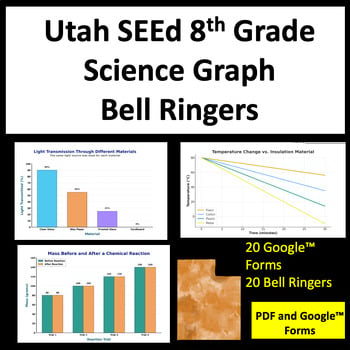
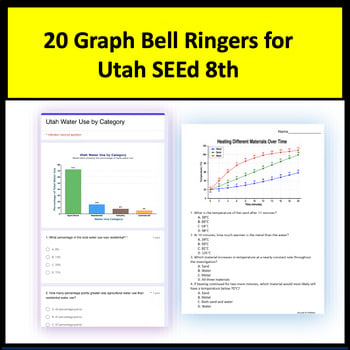
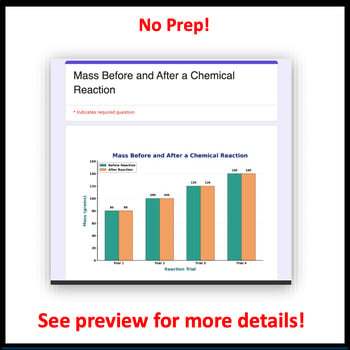
Help your students build confidence with science data using these engaging Utah SEEd 8th Grade Graph Bell Ringers! This resource includes 20 graph-analysis activities covering physical science, life science, Earth science, and Utah-specific science topics.
Each bell ringer gives students meaningful practice reading graphs, comparing data, identifying patterns, making predictions, and supporting conclusions with evidence.
What’s Included
- 20 science graph-analysis bell ringers
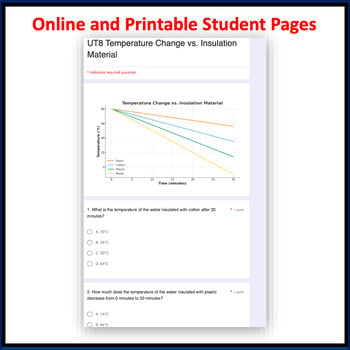
- One graph and four multiple-choice questions per activity
- Printable student pages
- Complete answer keys
- Self-checking Google Forms version
- Physical, life, and Earth science topics
- Utah-specific data and science connections
Graph Topics Include
- Particle motion and temperature
- Solubility
- Heating and insulation
- Chemical reactions
- Conservation of mass
- Kinetic and potential energy
- Waves, light, and signal transmission
- Photosynthesis and cellular respiration
- Carbon movement in ecosystems
- Great Salt Lake water levels
- Utah mountain snowpack
- Utah electricity generation
- Utah earthquakes
- Utah water use
Skills Students Practice
- Reading graph titles, axes, scales, and legends
- Identifying specific data values
- Comparing multiple data points
- Calculating increases, decreases, and differences
- Recognizing patterns and trends
- Interpreting line graphs and bar graphs
- Making reasonable predictions
- Drawing evidence-based conclusions
- Connecting graph data to science concepts
Easy to Use in Any Science Classroom
These graph bell ringers are designed to take approximately 5–10 minutes and work well for:
- Daily science warm-ups
- Bell ringers
- Exit tickets
- Homework
- Review stations
- Test preparation
- Sub plans
- Independent practice
- Formative assessment
The printable and digital formats make it easy to use these activities throughout the school year. Students receive repeated practice with the graph-analysis skills they need for classroom assessments and Utah science testing.
Save planning time while giving your students consistent, standards-based practice with scientific data and graph interpretation.