
Wildlife citizen science involves members of the public contributing observations to scientific research about animals. [1] In Botswana, I participated by sharing photographs and sighting details of African wild dogs with researchers. This experience shows how everyday observations can support conservation research.
It began with a poster at one of Botswana’s small bush airports. They wanted African wild dog pictures to help protect the animals. The poster invited visitors to share photographs, dates, locations, and details about their sightings.
That invitation led me to contribute my photographs to a project connected with Wild Entrust’s Botswana Predator Conservation program. On September 29, we observed wild dogs in Moremi Game Reserve. I estimated about eight animals, including adults and juveniles. The following evening, we watched three wild dogs hunt an impala. I shared photographs and information from both sightings with the research team.
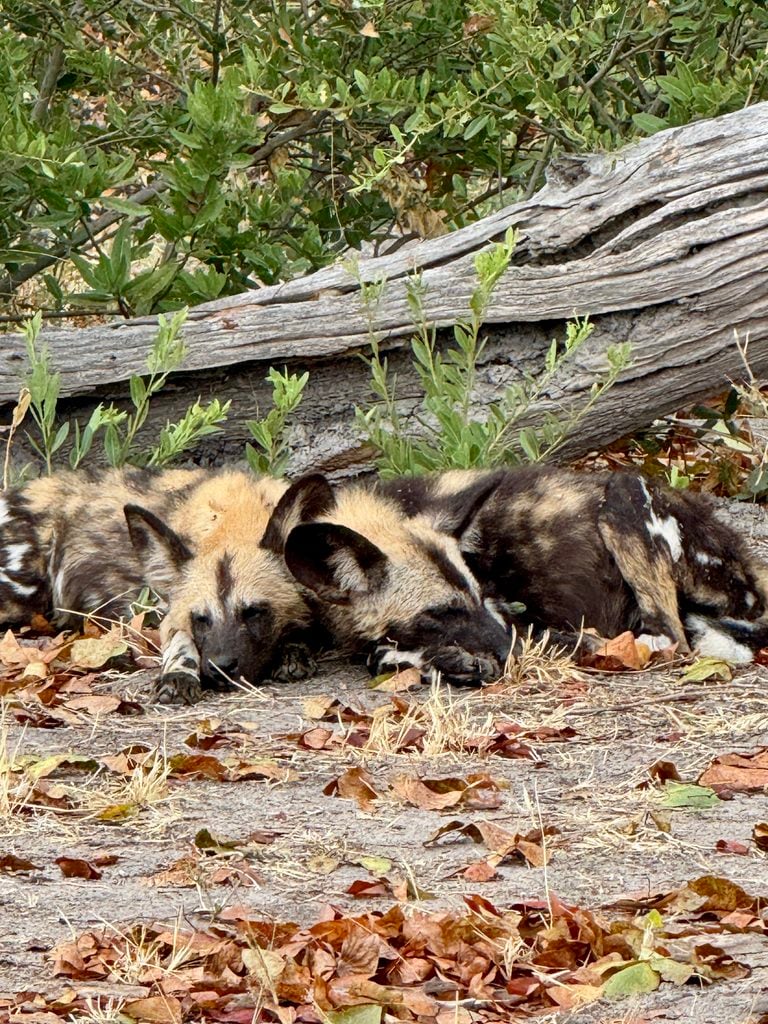
As a science educator, I appreciate having this personal example to share with teachers and students. It connects a memorable wildlife encounter with the careful observation that scientific research requires.
Why citizen science matters for wildlife research
Citizen science helps researchers gather observations across more places and times than a small team could cover alone. The National Park Service explains that public participation helps it assemble larger, more comprehensive datasets that can inform decisions about protecting natural resources. [2]
Different projects ask participants to record sightings, monitor seasonal changes, or examine images. The observations become part of a research effort with a purpose and a method. [1] For a broader introduction, read my post about what citizen science is and how students can participate.
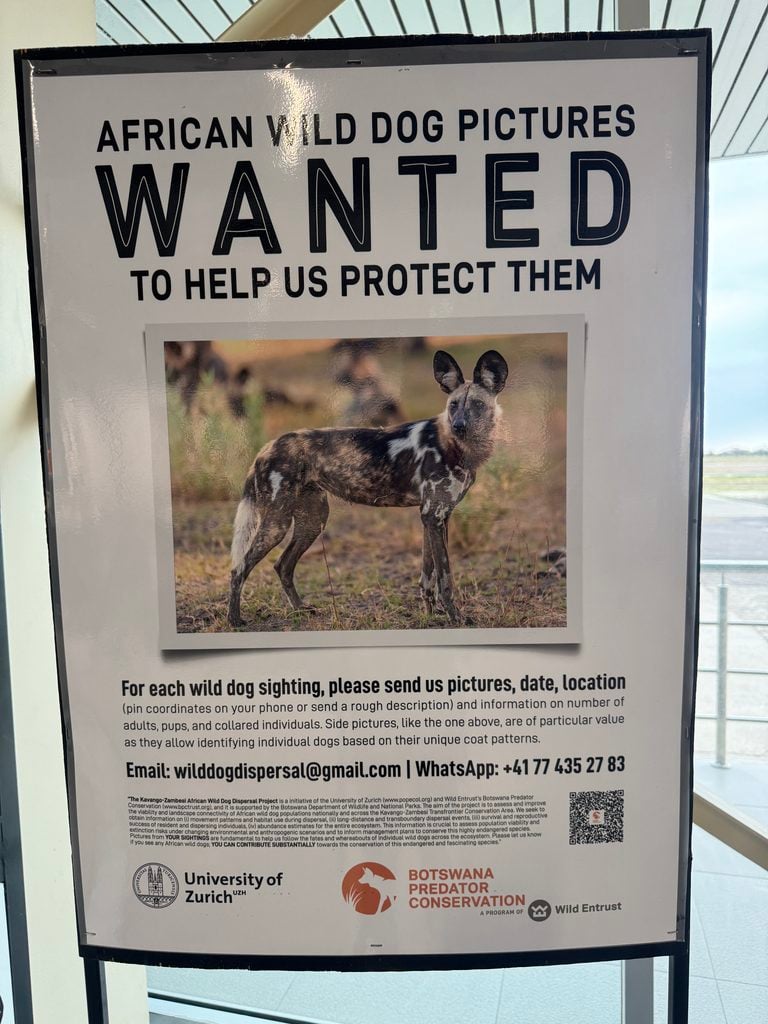
This poster at a small bush airport in Botswana invited travelers to share wild dog photographs and information about their sightings.
The airport poster made that opportunity concrete. It asked for information we could provide through careful observation. A photograph with a date and location gives researchers a record they can compare with observations from other people.
The value of a contribution depends on useful details and honest reporting. For students, that creates a meaningful reason to practice observing closely, recording consistently, and distinguishing what they know from what they still need to investigate.
Goals of the African wild dog research in Botswana
The project on the poster studied how African wild dogs move between habitats, survive dispersal, and establish new packs. The Kavango-Zambezi African Wild Dog Dispersal Project was a collaboration involving the University of Zurich and Botswana Predator Conservation. [3]
African wild dogs are endangered, and habitat loss and fragmentation are among the threats they face. [6] Dispersal occurs when animals leave their birth group or area to seek mates and suitable habitat. For wild dogs, connected habitats can make these journeys and the formation of new packs possible. [4]
The researchers wanted to investigate:
Where dispersing wild dogs travel and which habitats and routes they use.
Whether dogs survive those journeys and establish themselves in new areas.
How successfully newly formed packs reproduce.
How movement between areas affects the long-term survival of wild dog populations. [3]
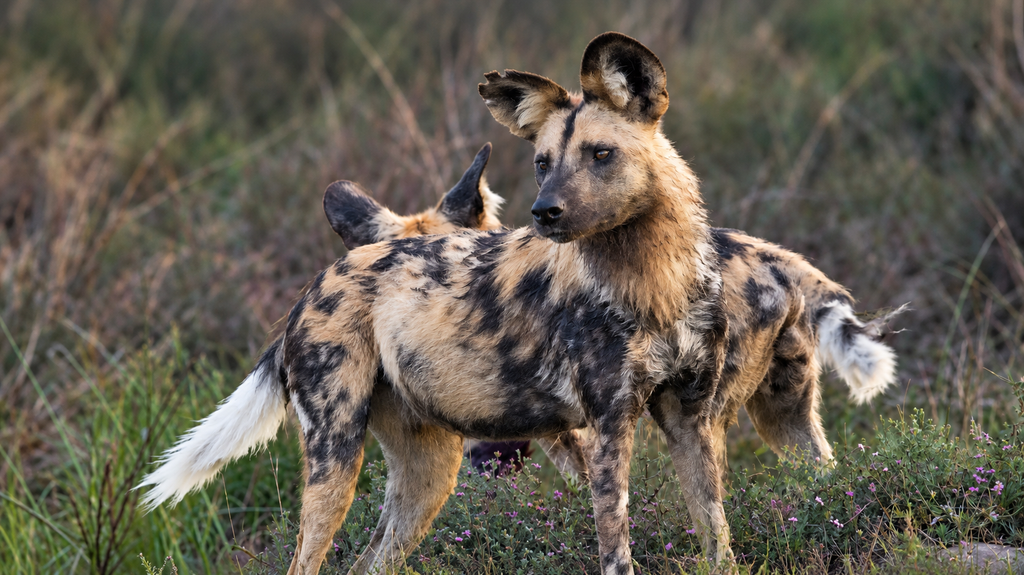
This research concerns the Kavango-Zambezi Transfrontier Conservation Area, often called KAZA, which spans parts of five southern African countries. Understanding movement between habitats helps researchers evaluate wildlife corridors and identify where connections may be difficult. [4]
Wild Entrust’s current WANTED citizen science initiative also welcomes photographs of other large carnivores. Its goals include following individuals and groups, studying survival and reproduction, and developing population estimates across this wider landscape. [5]
How African wild dog photos become research data
African wild dogs, also called painted dogs, have coat patterns that are unique to each animal. Their black, brown, and white markings can help researchers recognize individuals in photographs. [6] The poster requested side views because they help show those patterns.
Matching the same dog across separate encounters can connect records of where it was seen, when it was there, and which animals accompanied it. [7] Wild Entrust’s current project uses African Carnivore Wildbook image-matching technology to help compare natural markings with photographs already in the database. [5] [8]
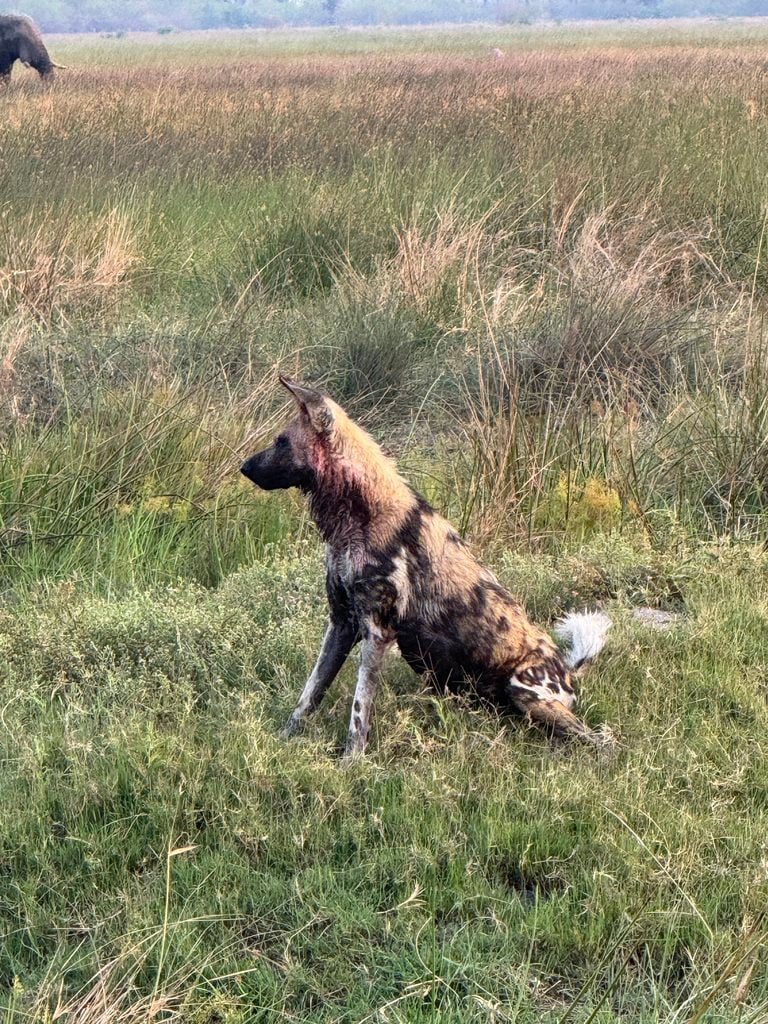
When the research team replied to me, they asked for the location, date, and time of each sighting. They also asked me to keep the two sightings separate so dogs from different groups would not be mixed together in their records. Useful data depend on how carefully we organize the information.
Details to include with a wildlife photograph
The date, time, and location of the sighting.
Keep the photographs and observations from that encounter separate from other sightings.
The number of animals you observed.
My contribution was to provide observations the researchers can evaluate and compare with other records. If you have photographs to share, check Wild Entrust’s current citizen science instructions for the information requested, and follow its wildlife photography guidance. [5] [9]
Connecting wildlife citizen science with classroom learning
These photographs give students a concrete way to discuss observation and evidence. Before explaining the research, I would invite them to consider:
Which markings might help you recognize the same animal in another photograph?
Why would a researcher need the date and location as well as the image?
What can you observe directly, and what would require more information?
Students can support a claim about a photograph’s usefulness with visible evidence. They could also explain its limits: several dogs in one picture do not necessarily represent every member of the group. My guide to teaching Claim, Evidence, and Reasoning in science offers a structure for developing that explanation.
Common questions about wildlife citizen science
Does taking a wildlife photograph count as citizen science?
Taking a photograph can be the first step. It becomes a citizen science contribution when you share it with a research project that can use it, follow the project’s instructions, and provide the requested observation details. [1] [5]
What if I am unsure of an animal count or identification?
Report what you actually observed and make uncertainty clear. Label an estimated count as an estimate, provide photographs when requested, and avoid filling gaps with guesses. The research team can then assess the record.
Start a classroom citizen science project with Journey North
Classrooms in the United States can participate close to home through Journey North. Its projects connect observations of wildlife migration and seasonal change, including monarch butterflies and hummingbirds. Students can report sightings and explore maps to compare observations across locations. [10] My post on monarch butterflies and citizen science offers another classroom connection.
For a plant-based option, Journey North’s Tulip Test Gardens project invites participants to report planting, emergence, and bloom dates. Students can compare their observations with reports from other gardens as spring progresses. [11]
My experience began with a poster at a small airport in Botswana. A class’s experience could begin with a migrating bird or a tulip emerging on school grounds. Following a project’s instructions gives students a way to contribute observations to a wider scientific effort.
Explore Journey North and choose a project for your classroom
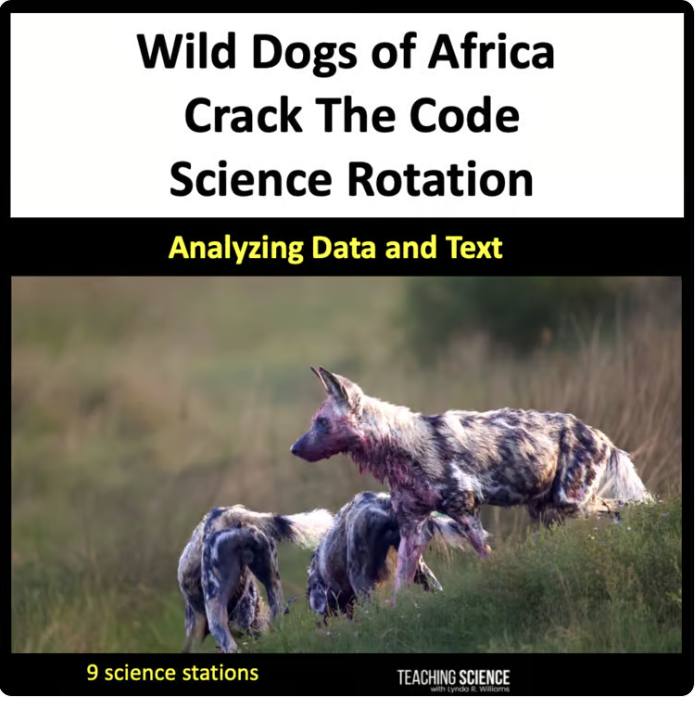
Do you want your students to learn more about the wild dogs of Africa?
Lynda R. Williams is a veteran science educator, curriculum designer, and creator of Teaching Science with Lynda R. Williams. With more than 34 years of teaching experience, she is passionate about helping students connect science to the real world through observation, data, inquiry, and evidence-based reasoning. Her travels often become inspiration for classroom science, including her recent experience contributing African wild dog photographs from Botswana to a citizen science research project.