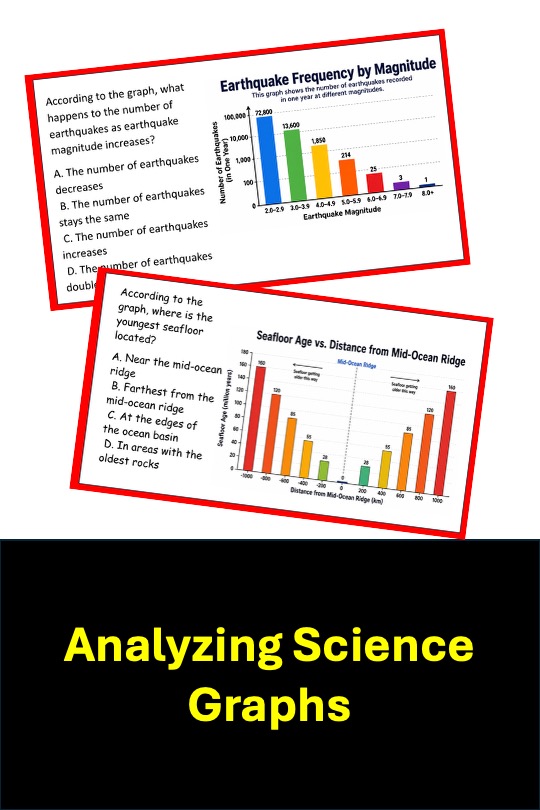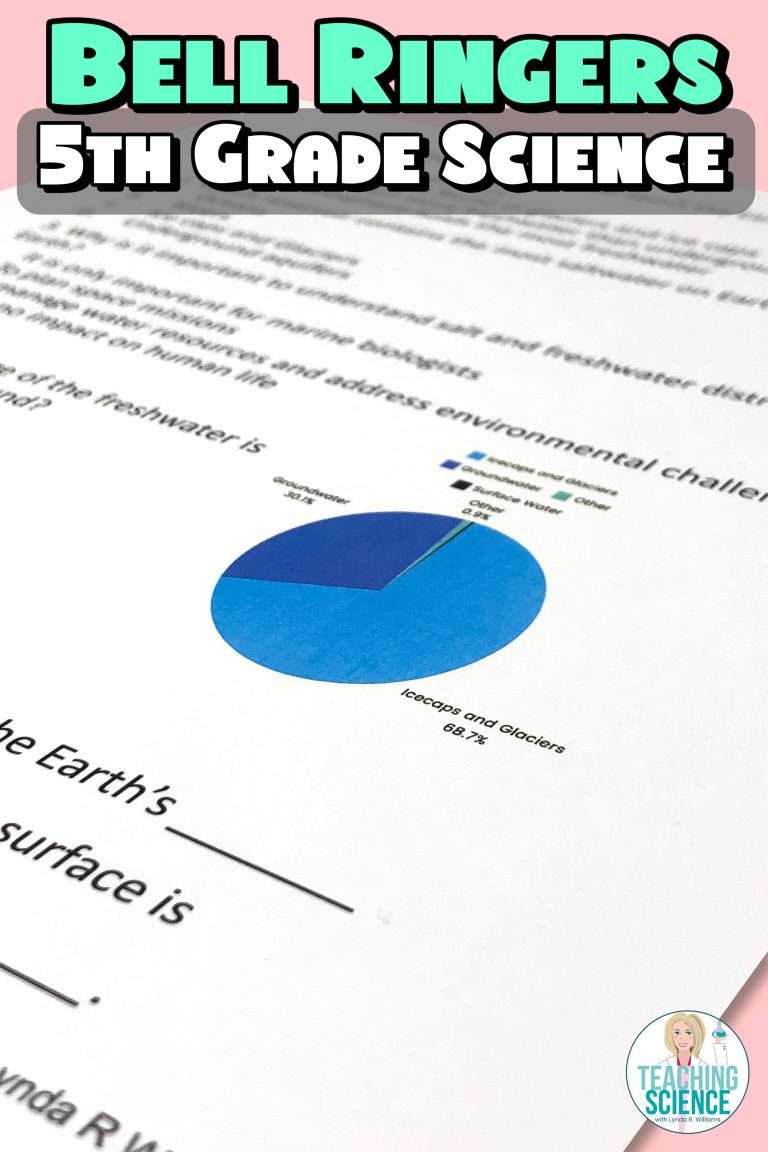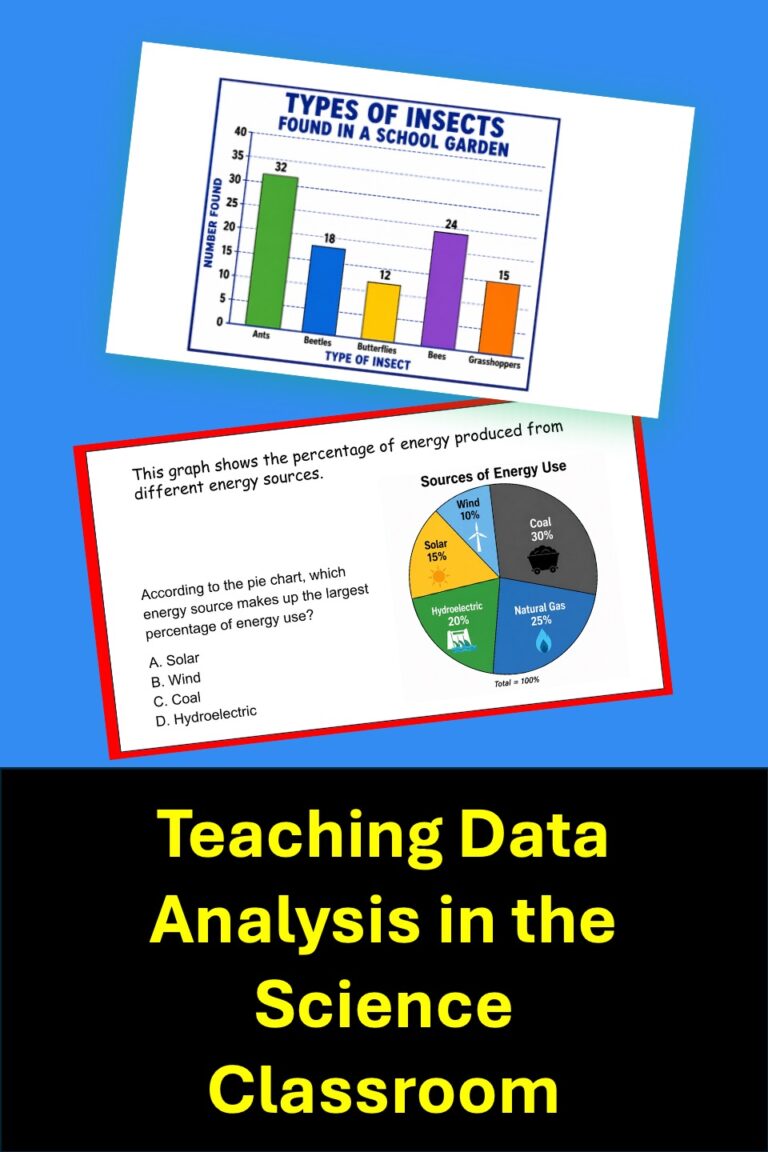
Use Middle School Science Bell Ringers and Daily Graphs to Get Them Thinking
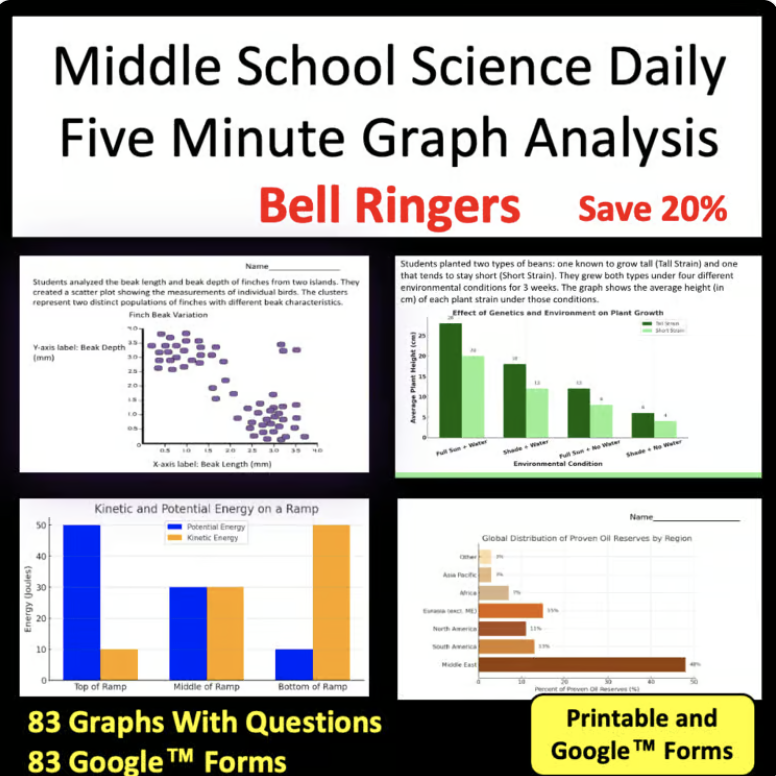
Middle School Science Bell Ringers: Daily Graph Warm-Ups and Data Analysis
Middle School Science Bell Ringers: Daily Graph Warm-Ups and Data Analysis
Looking for a simple way to strengthen students’ graph analysis and data interpretation skills throughout the year? This resource includes 83 middle school science bell ringers, each built around a graph or data set that students can analyze in just a few minutes. The activities are available as both printable worksheets and self-checking Google Forms™, making them flexible for any classroom setting.
Why Are Bell Ringers Important in Science?
One of the most effective ways to improve student learning is through short, consistent practice over time. Research on learning and memory consistently shows that students retain skills better when they revisit them regularly rather than practicing them only during a single unit.
Science teachers often spend significant time teaching graphing and data analysis skills, only to discover that students forget those skills a few months later. Daily bell ringers help solve this problem by providing ongoing opportunities to:
- Interpret graphs and charts
- Analyze scientific data
- Identify patterns and trends
- Practice evidence-based reasoning
- Strengthen scientific literacy
- Build confidence with quantitative information
Just five minutes a day can make a significant difference in student performance.
Why Daily Graph Practice Works
Students become stronger readers because they read frequently. The same principle applies to graph analysis.
When students encounter graphs regularly, they begin to recognize common patterns and develop automatic habits such as:
| Skill | What Students Learn |
|---|---|
| Reading Axes | Understanding variables and units |
| Identifying Trends | Recognizing increases, decreases, and patterns |
| Comparing Data | Drawing conclusions from multiple data sets |
| Using Evidence | Supporting claims with data |
| Scientific Reasoning | Explaining relationships between variables |
Instead of treating graphing as a one-time lesson, daily practice helps students develop these skills throughout the school year.
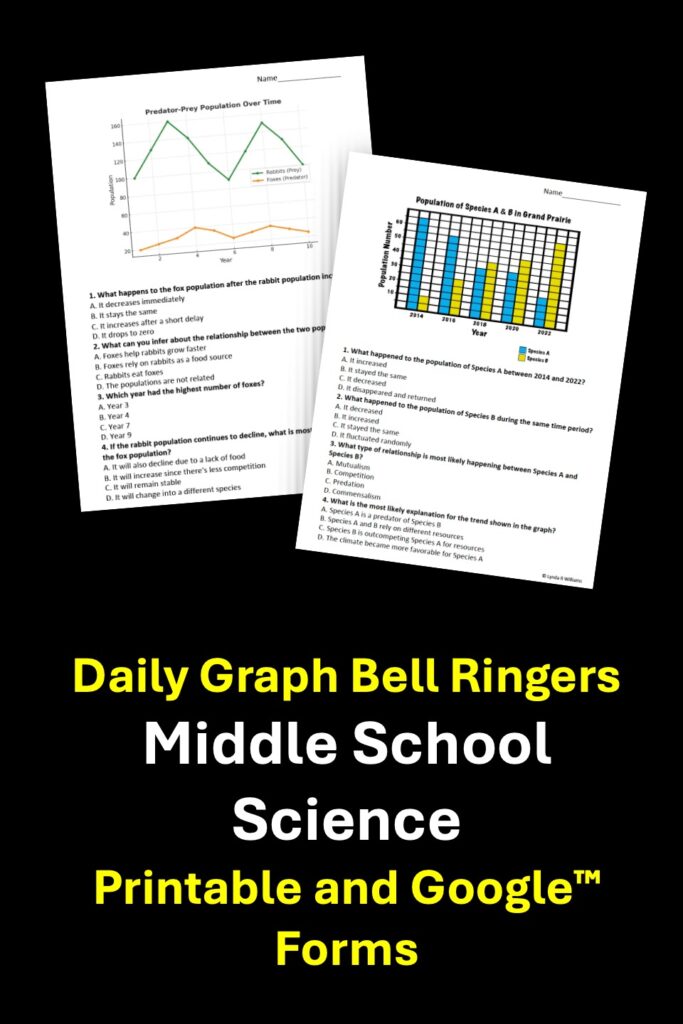
Common Questions Teachers Ask
How long should a science bell ringer take?
Most effective bell ringers take between 3 and 10 minutes. Short activities keep students focused while allowing teachers time to handle attendance, announcements, and classroom transitions.
Do bell ringers really improve retention?
Yes. Educational research supports distributed practice (sometimes called spaced practice), which means students learn and retain skills better when they revisit them repeatedly over time rather than practicing them all at once.
What skills should middle school science bell ringers focus on?
Strong science bell ringers should help students practice:
- Graph interpretation
- Data analysis
- Scientific reasoning
- Evidence-based conclusions
- Mathematical thinking in science
- Crosscutting concepts such as patterns and cause-and-effect relationships
What’s Included in This Resource?
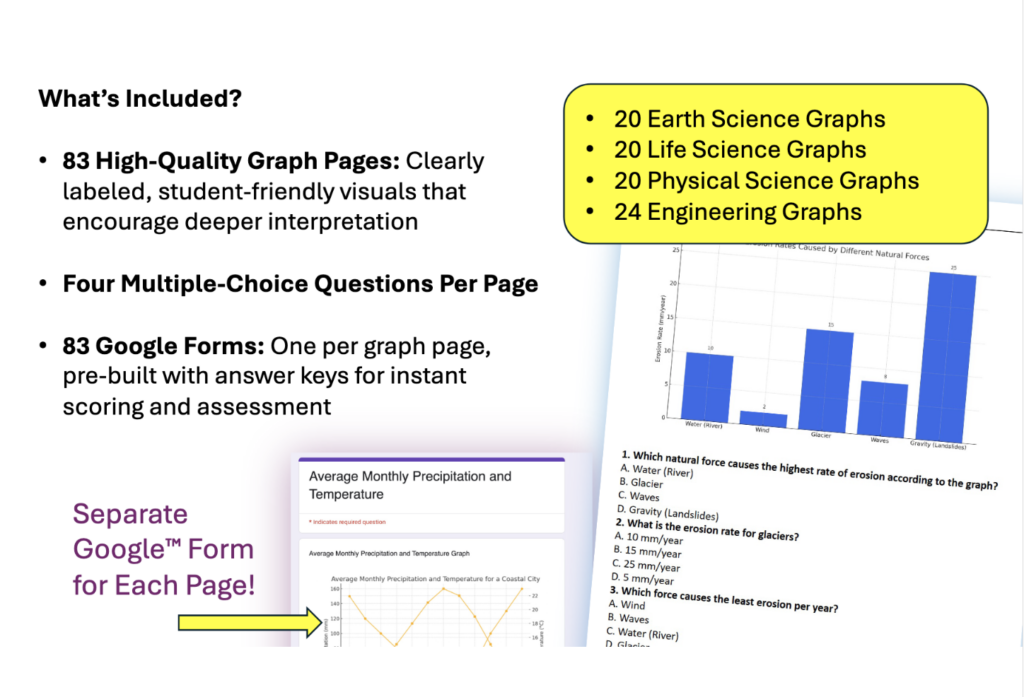
The Middle School Science Bell Ringers Daily Graph Warm-Ups and Data Analysis resource includes:
✔ 83 graph-based bell ringers
✔ Printable student pages
✔ Self-checking Google Forms™
✔ Multiple graph types
✔ Data analysis questions
✔ Ready-to-use daily warm-ups
✔ Minimal teacher preparation
Because the Google Forms™ version is self-checking, students receive immediate feedback while teachers save valuable grading time.
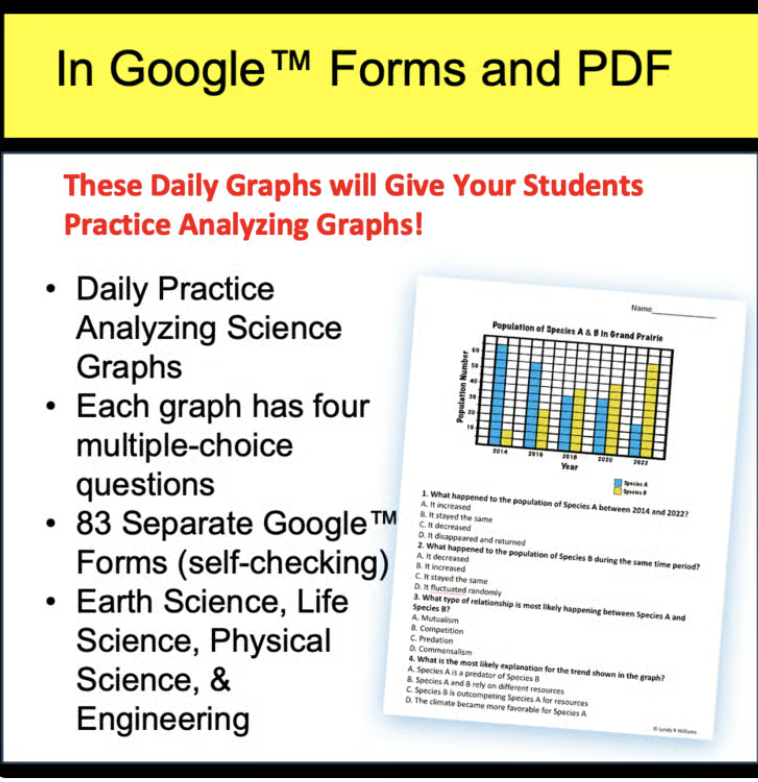
Perfect for Middle School Science Classes
These daily graph activities work well for:
- Bell ringers
- Warm-ups
- Science starters
- Independent practice
- Review days
- Intervention groups
- Sub plans
- Early finishers
- Distance learning
The variety of graph types helps students develop the analytical skills needed for state assessments, NGSS-aligned instruction, and future science courses.
A Simple Way to Build Science Skills All Year
Middle school students often struggle with graph interpretation because they do not get enough consistent practice. Daily graph bell ringers provide an easy solution by giving students regular opportunities to analyze data, identify patterns, and think like scientists.
If you’re looking for a low-prep way to strengthen data analysis skills while establishing a productive classroom routine, this resource can provide meaningful practice all year long.
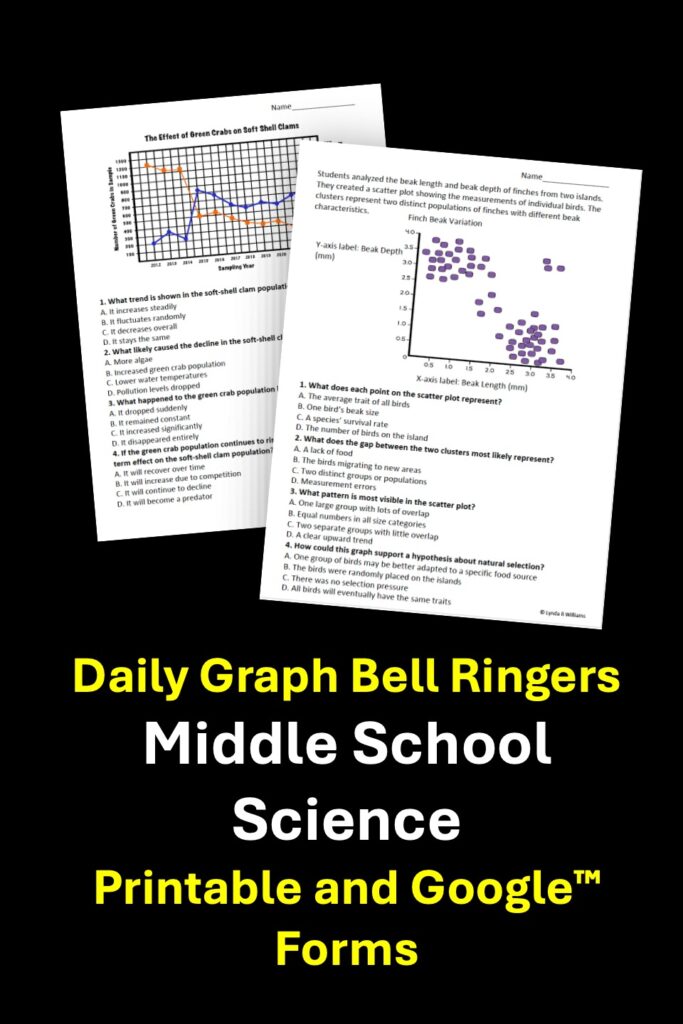
Get the Resource Here
Middle School Science Bell Ringers Daily Graph Warm-Ups and Data Analysis

About the Author
Lynda R. Williams is a science educator with extensive experience teaching middle school science, developing NGSS-aligned curriculum resources, and training future science teachers. Her classroom resources focus on helping students build scientific thinking skills through data analysis, phenomena, inquiry, and evidence-based reasoning.