A great science teaching strategy called phenomena-based learning, backed by the NGSS and Utah SEEd, taps into students’ natural desire to make sense of their world.
What Are the Three Levels of Phenomena in Science Instruction?
Teachers can use phenomena at different levels of a science unit. An anchor phenomenon introduces the larger question for the unit, investigative phenomena help students explore smaller parts of that question, and everyday phenomena connect scientific ideas to familiar experiences.
| Level of Phenomenon | Purpose | When It Is Used | Example |
|---|---|---|---|
| Anchor phenomenon | Introduces a complex event or problem that students cannot fully explain at the beginning of the unit | At the beginning of a unit and revisited throughout instruction | Why are some areas of a city much hotter than nearby areas on the same day? |
| Investigative phenomenon | Helps students investigate one part of the anchor phenomenon and develop the science knowledge needed to explain it | During individual lessons, investigations, stations, or activities | How do different surfaces absorb and release heat? |
| Everyday phenomenon | Connects a science concept to a familiar event students may observe in daily life | During bell ringers, discussions, examples, reviews, or short activities | Why does a dark-colored playground slide become hotter than a light-colored surface? |
How Do the Three Levels of Phenomena Work Together?
The three levels of phenomena should build on one another.
The anchor phenomenon gives students a larger question to investigate. Investigative phenomena break that larger event into smaller, manageable questions that can be explored through labs, models, readings, data analysis, and discussion. Everyday phenomena help students connect the scientific concept to situations they already recognize.
For example, a unit about urban heat could begin with the anchor phenomenon of one neighborhood being significantly warmer than another. Students might then investigate how pavement, grass, water, and building materials absorb heat. Everyday examples, such as a hot car seat or a warm playground slide, help students connect those ideas to their own experiences.
When all three levels are used intentionally, phenomena become more than an attention-grabbing introduction. They provide a meaningful structure for students to ask questions, gather evidence, and develop increasingly complete scientific explanations.
The next-generation science standards focus on teaching students to use science to make sense of phenomena and use engineering to design solutions to problems.
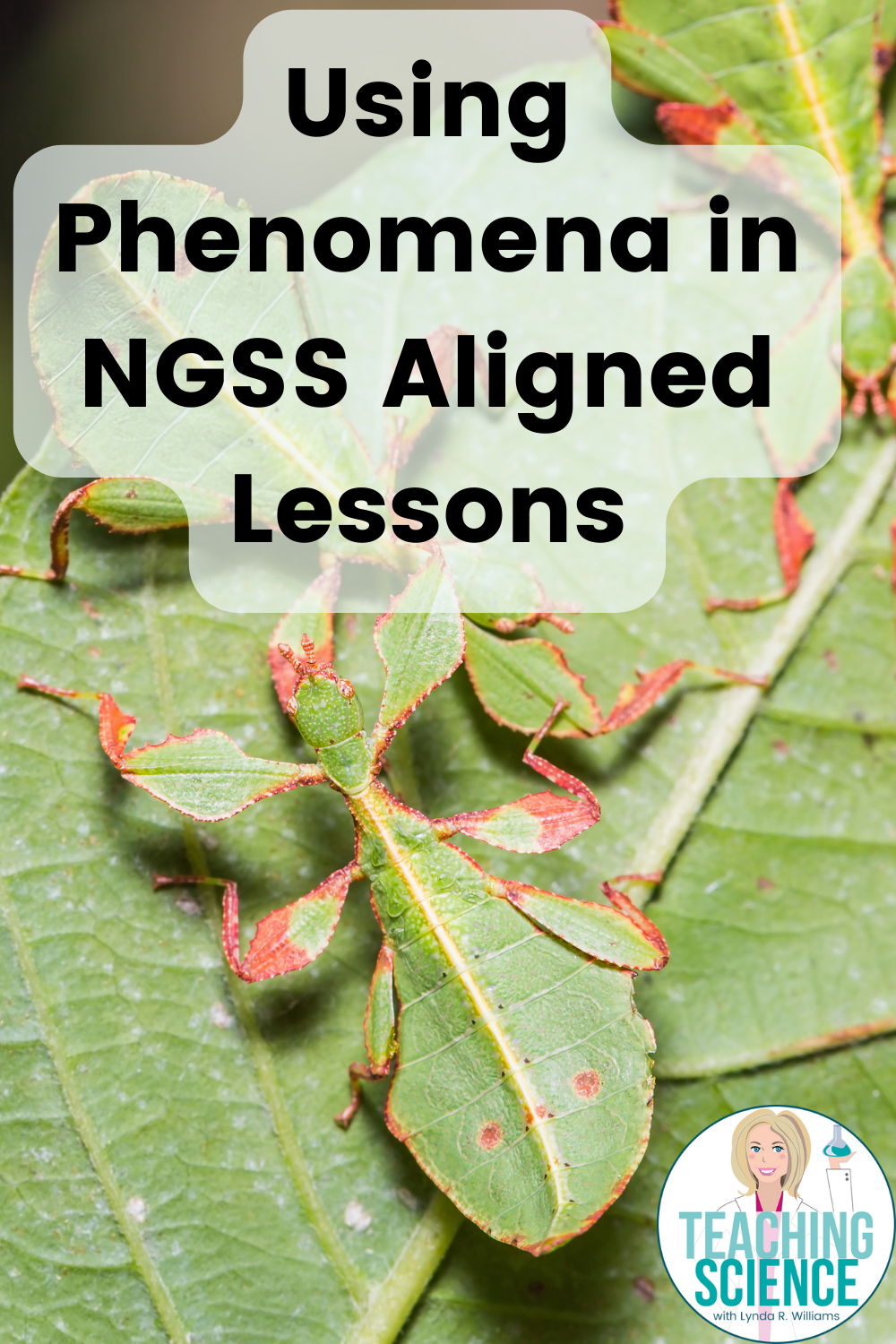
What are phenomena?
Phenomena are specific observable events that can be explained by the application of the Science and Engineering Practices, Crosscutting Concepts, and Disciplinary Core Ideas. Phenomena can encourage students to behave like real scientists, finding answers through reasoning and inquiry.
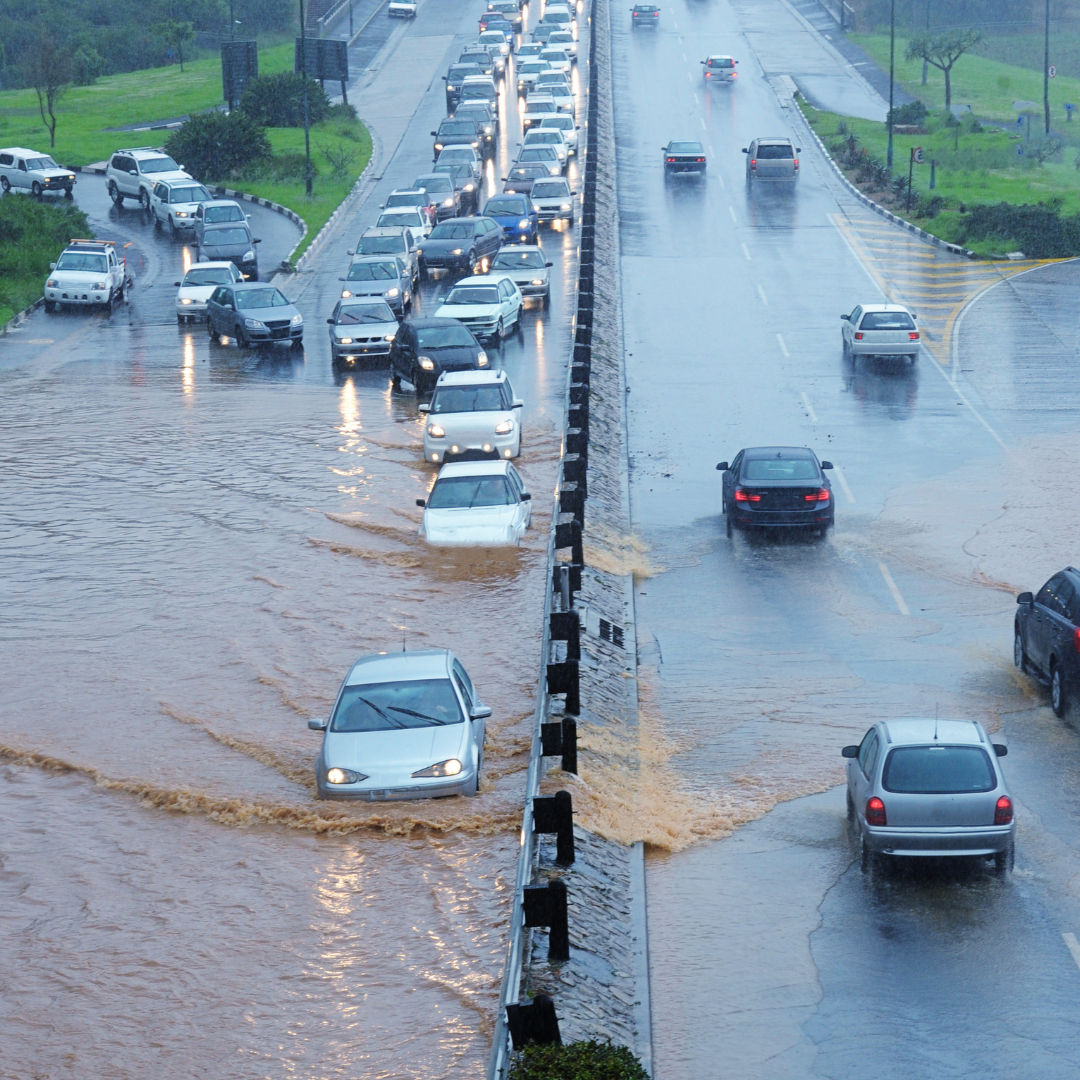
For example, the topic of the weather by itself is not a phenomenon. But if you showed students damage from a severe storm or flooding it could be used as a phenomenon. Why? Because it generates a human problem that requires an engineering solution.
What are the benefits of phenomena based learning?
Phenomena that are high-interest to students can lead students to ask “Why?” or “What’s going on?”
Phenomena can lead students to think critically and ask questions. As their teacher, you can facilitate student thinking in the classroom by helping them refine their questions and providing opportunities to explore and investigate their ideas.
The use of phenomena encourages students to explore, investigate, and explain how and why phenomena occur, rather than memorizing a set of facts.
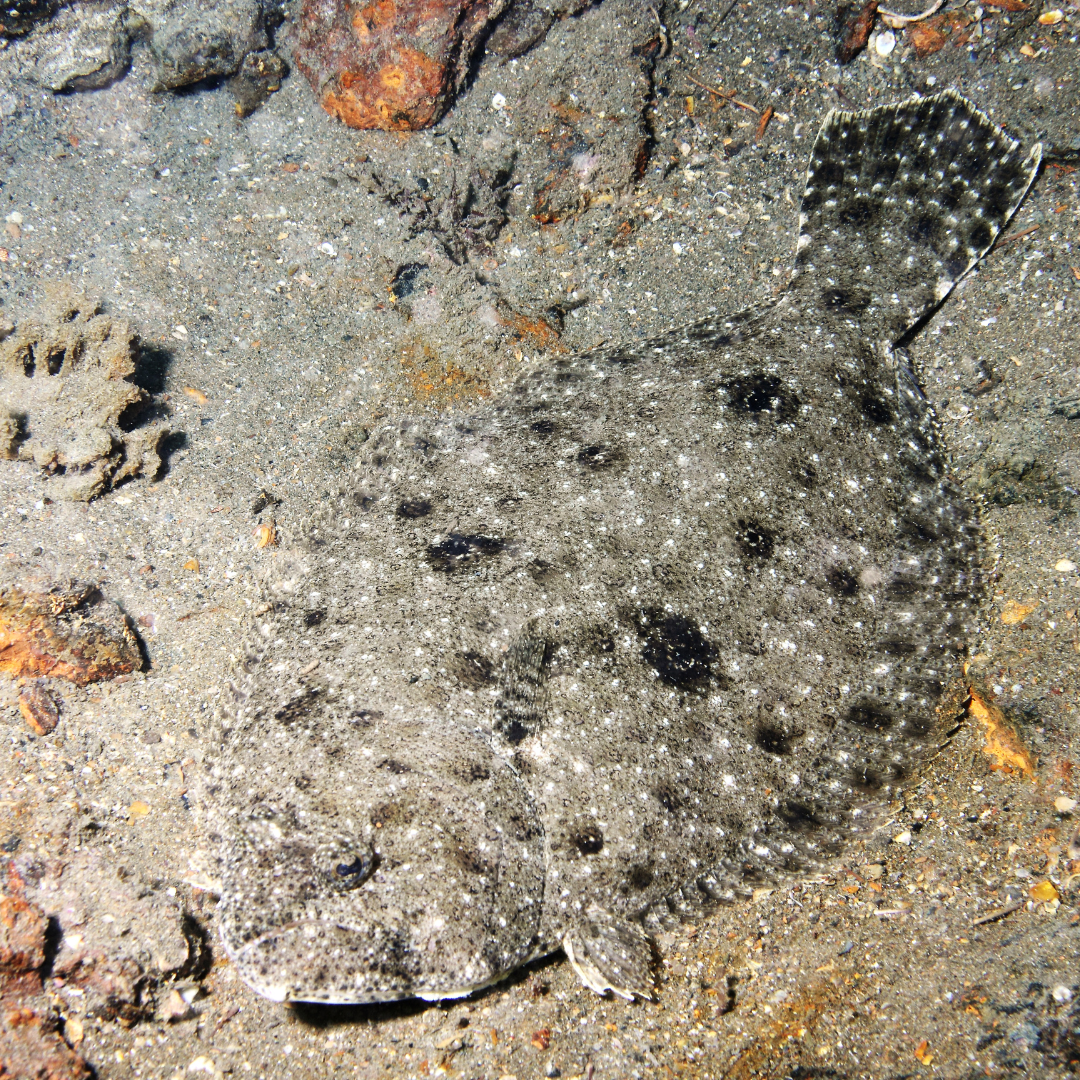
Show phenomena and ask students what questions they may have about it!
This approach encourages students to observe natural phenomena, such as an animal with the adaptation of camouflage. They can then investigate why it occurs.
Unlike in a traditional teacher-led lesson, students in phenomena-based learning lead by asking questions.
One of my favorite phenomena-based lessons involves a tarantula exoskeleton! For years I had a pet tarantula, and I would collect its exoskeleton after it molted and show it to students and encourage them to ask questions!
This works even if you don’t have an exoskeleton to show your students!
Show your students a photo of an exoskeleton. Ask them what they think happened to this specimen. How did it die? (of course, I knew it was not a dead spider, but an exoskeleton). Have them write down their response on a post-it note. This strategy works best if no talking is allowed and if students write their predictions down but do not share them with each other.
Students then ask the teacher yes and no questions about the specimen until someone discovers that it is an exoskeleton! Once we reached this point, I would bring out my tarantula for the students to see!
Students were amazed to discover that spiders shed their skin or molt. We took it further…why do they do this? Because they outgrow their exoskeleton and must shed it and form a new one? Why do humans not do this? Our skeleton grows with us.

This phenomena based activity is included in my informational text unit on spiders! You can get this unit today here on my website or from my store on TPT!
Check out these great resources that implement phenomena!
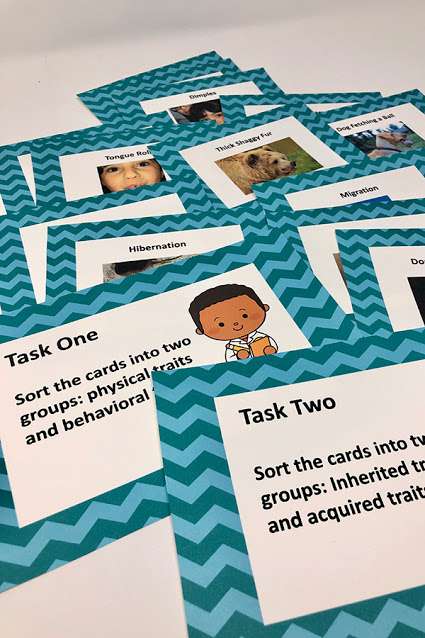
This unit on animal and plant adaptations for middle school science uses phenomena! Students will learn about plant and animal structures that help them reproduce and survive. Students will learn about behavioral and structural adaptations in plants and animals. This resource is a printable unit with reading passages and interactive notebook flaps.
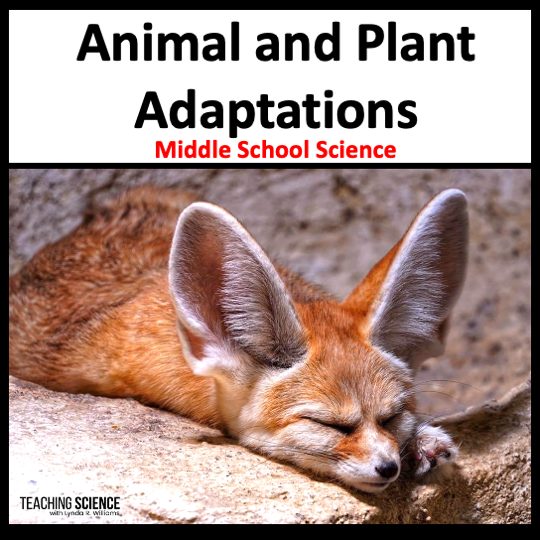
You can get this resource here on my website, or from my TPT store here!
This unit on Earth’s Spheres and their interactions explores the Earth’s four spheres and how they interact. Students will learn about the Earth’s spheres and sphere interaction by developing a model to show the 4 Earth spheres: geosphere, biosphere, hydrosphere, and atmosphere interact. Students will love these engaging activities!

You can get this resource here on my website or from my TPT store here!
This unit on the formation of Bryce Canyon is a great earth science unit that uses phenomena! Students will practice reading informational text skills, writing a CER, and identifying text features and the information they convey.
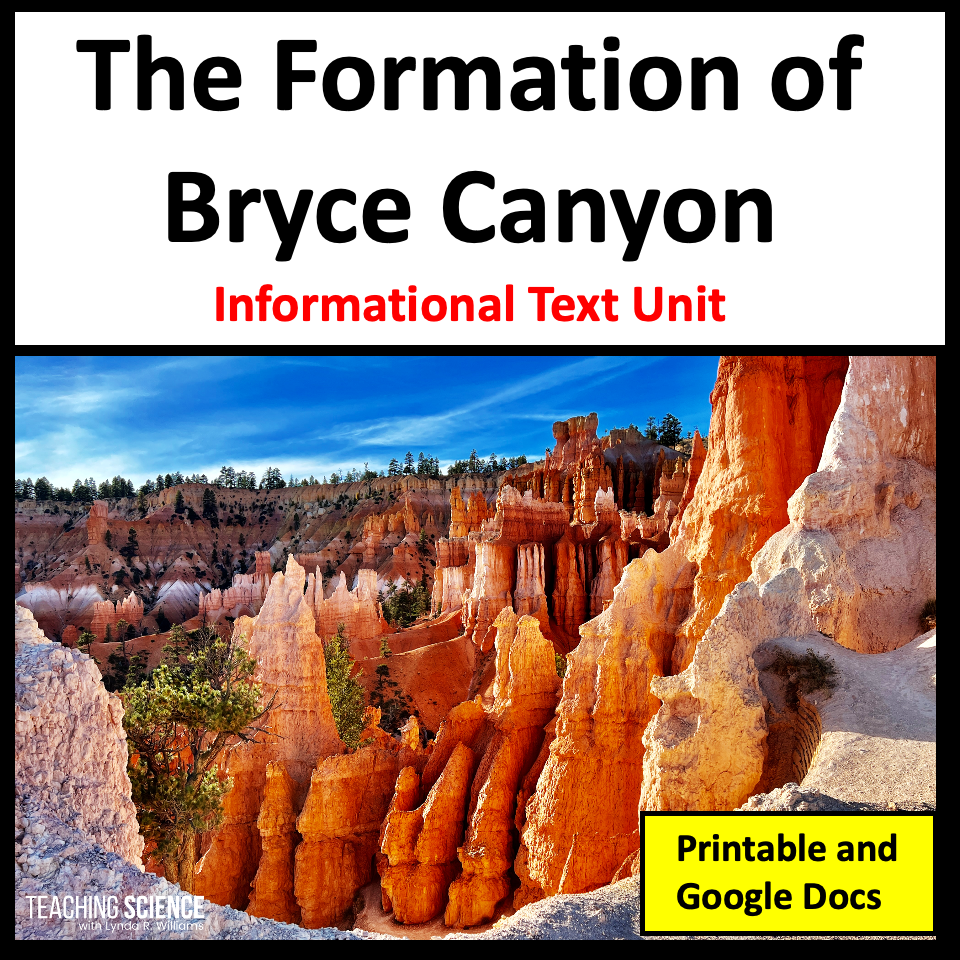
You can get this resource here on my website or from my TPT store here!