What is a science phenomenon? A scientific phenomenon is an observable event in the natural or designed world that students can investigate and explain using scientific ideas.
Examples include water forming on the outside of a cold glass, a plant bending toward a window, stars appearing brighter in some locations than others, or a population changing over time.
In a phenomenon-based science classroom, the phenomenon is not simply an attention-grabbing activity at the beginning of a lesson. It gives students something meaningful to figure out. Students ask questions, analyze evidence, develop models, conduct investigations, and gradually build an explanation.
The Next Generation Science Standards describe phenomena as essential to NGSS implementation because they provide a real-world context in which students can apply science and engineering practices, disciplinary core ideas, and crosscutting concepts.
What Is a Phenomenon in Science?
A scientific phenomenon is an observable event that occurs in the universe and can be explained or predicted using scientific knowledge.
A phenomenon is what students observe, not the scientific term or explanation behind it.
For example:
- A sunburn is a phenomenon.
- “Ultraviolet radiation can damage cells” is an explanation.
- Water droplets forming on a cold can are a phenomenon.
- “Condensation” is a scientific term used as part of the explanation.
- A tree increasing in mass is a phenomenon.
- Photosynthesis and cellular processes help explain how growth occurs.
This distinction is important. Simply naming a process does not mean students have explained the phenomenon. Students need to use evidence and scientific reasoning to describe how or why the event occurs.
What Is Phenomenon-Based Science Instruction?
Phenomenon-based science instruction organizes learning around something students are trying to explain.
Instead of beginning a unit by telling students all the facts they need to know, the teacher introduces an observable event and asks students what they notice, what they wonder, and what they need to investigate.
Students then engage in science and engineering practices to build the knowledge needed to explain the phenomenon.
A phenomenon-based sequence may include:
- Observing the phenomenon
- Recording initial ideas
- Asking questions
- Identifying what students need to know
- Conducting investigations
- Analyzing graphs, data, images, or text
- Developing and revising models
- Constructing evidence-based explanations
- Returning to the original phenomenon
The phenomenon and the questions students generate help guide the learning. It is not the phenomenon alone that drives instruction. It is the combination of the observable event, student questions, investigation, evidence, and explanation.
Why Are Phenomena Important in Science Education?
Phenomena give students a reason to learn science content.
When students are trying to explain something they have observed, scientific ideas become tools for solving a meaningful problem rather than facts to memorize.
The official NGSS resource on phenomena explains that centering instruction on observable events shifts the focus from simply learning about a topic to figuring out how or why something happens. This approach can help students develop knowledge that is deeper, more connected, and easier to apply in new situations.
Phenomena can help students:
- Ask scientific questions
- Connect science to real life
- Analyze data and patterns
- Develop and revise models
- Use evidence to support claims
- Apply science vocabulary meaningfully
- Construct explanations
- Engage in three-dimensional learning
- Recognize the relevance of science in their communities
Phenomena can also make student thinking visible. Teachers can listen to students’ initial explanations, identify misconceptions, and monitor how their understanding changes throughout a lesson or unit.
What Is the Difference Between a Topic, an Activity, and a Phenomenon?
Teachers sometimes use the word phenomenon to describe any interesting science activity. However, a topic, demonstration, activity, and phenomenon serve different purposes.
| Instructional Element | What It Is | Example |
|---|---|---|
| Topic | A broad area of science content | Photosynthesis |
| Vocabulary term | A word used to name or describe a scientific idea | Condensation |
| Activity | Something students do | Measuring plant growth |
| Demonstration | An event the teacher shows students | Crushing a can with air pressure |
| Phenomenon | An observable event students work to explain | A plant bends toward a window |
| Scientific explanation | An evidence-based account of how or why the event occurs | The plant’s growth response is influenced by the direction of light |
An engaging activity may support phenomenon-based instruction, but it is not automatically a phenomenon.
The key question is:
Are students using evidence and scientific ideas to explain an observable event?
What Makes a Good Science Phenomenon?
A good instructional phenomenon is observable, relevant, grade appropriate, and connected to important learning goals.
It should be understandable enough for students to begin asking questions, but complex enough that they cannot fully explain it immediately.
Effective phenomena often have several of the following qualities:
It Is Observable
Students must be able to experience or document the event.
They might observe it through:
- A firsthand investigation
- A photograph
- A video
- A demonstration
- A graph or data set
- A microscope
- A telescope
- A simulation
- A series of measurements
Observable does not mean students must see the event directly with their unaided eyes. Technology and data can reveal phenomena that occur too slowly, too quickly, too far away, or at a scale that is difficult to observe directly.
It Connects to the Learning Goals
A phenomenon should help students develop the specific science ideas, practices, and crosscutting concepts required by the lesson or unit.
An interesting event is not instructionally useful if it leads students far away from the intended standards.
It Is Not Immediately Explainable
Students should have enough prior knowledge to begin thinking and asking questions, but they should need additional evidence and instruction before they can develop a complete explanation.
If students already need to know the entire target concept before they can investigate the phenomenon, it may be better suited for assessment than for initial instruction.
It Is Relevant or Meaningful
Strong phenomena connect to students’ lives, communities, experiences, or concerns.
Not every student will relate to the same event in the same way. Teachers may need to provide a shared experience through a demonstration, video, local example, or classroom observation.
The official NGSS guidance emphasizes considering students’ cultural and personal perspectives when selecting phenomena.
It Generates Productive Questions
A good phenomenon makes students wonder:
- Why did that happen?
- How does that work?
- What caused the change?
- Does this always happen?
- What evidence would help us explain it?
- What would happen under different conditions?
The questions should lead toward investigations and scientific ideas that are appropriate for the students’ grade level.
It Can Be Explained With Evidence
Students should be able to gather or analyze enough evidence to build an explanation.
Useful evidence might include:
- Measurements
- Graphs
- Data tables
- Observations
- Models
- Images
- Text evidence
- Results from investigations
Does a Science Phenomenon Need to Be Dramatic?
No. A science phenomenon does not need to be explosive, surprising, or elaborate.
An everyday event can be a powerful phenomenon when students realize they cannot fully explain it.
Examples include:
- Why does water appear on the outside of a cold cup?
- Why is one side of a tree covered with more moss?
- Why does a metal spoon feel colder than a wooden spoon?
- Why does a shadow change length during the day?
- Why do some puddles disappear faster than others?
- Why can we see fewer stars in a city?
The official NGSS guidance notes that authentic engagement is not determined by whether an event is flashy. Engagement comes from students developing compelling questions and having a meaningful opportunity to figure something out.
What Is an Anchoring Phenomenon?
An anchoring phenomenon is a complex, observable event that provides the central focus for an entire unit.
Students encounter the anchoring phenomenon near the beginning of the unit and return to it repeatedly as they gather evidence and develop scientific understanding.
An effective anchoring phenomenon usually cannot be fully explained in a single lesson. It requires students to connect several scientific ideas and engage in multiple science and engineering practices.
For example, a unit might be organized around this question:
Why does the night sky look different depending on where you are?
Students may need to investigate light intensity, distance, star properties, atmospheric conditions, and light pollution before they can construct a complete explanation.
A good anchor creates coherence because each lesson helps students explain another part of the larger phenomenon.
What Is a Lesson-Level Phenomenon?
A lesson-level phenomenon is more focused than an anchoring phenomenon.
It can usually be investigated and explained within one lesson or a short sequence of lessons.
For example, within a larger unit about the night sky, students might investigate why a flashlight appears dimmer as it moves farther away. That smaller phenomenon helps students understand one idea they will need to explain the larger anchor.
| Anchoring Phenomenon | Lesson-Level Phenomenon |
|---|---|
| Organizes an entire unit | Organizes one lesson or short sequence |
| Requires several connected science ideas | Focuses on a smaller set of ideas |
| Takes days or weeks to explain | May be explained more quickly |
| Is revisited throughout the unit | Supports one part of the larger explanation |
| Generates many related questions | Generates a more focused investigation |
| Builds toward a complex final explanation | Builds one piece of the explanation |
The two types should work together. The anchoring phenomenon establishes what students are trying to figure out, while lesson-level phenomena help students build the knowledge needed to explain it.
Examples of Science Phenomena for the Classroom
The best phenomenon depends on the grade level, standards, and students’ experiences.
Here are examples that can be adapted for upper elementary or middle school science.
Life Science Phenomena
- A plant bends toward a source of light.
- The number of rabbits and foxes changes in a repeating pattern.
- Mold grows faster on some foods than others.
- One part of a schoolyard contains more organisms than another.
- Some plants survive during a drought while others do not.
- A tree gains a large amount of mass even though little soil is removed.
- Some traits appear in offspring but not in their parents.
- Decomposition happens faster under some environmental conditions.
Earth and Space Science Phenomena
- The moon appears to change shape during the month.
- Shadows change length and direction throughout the day.
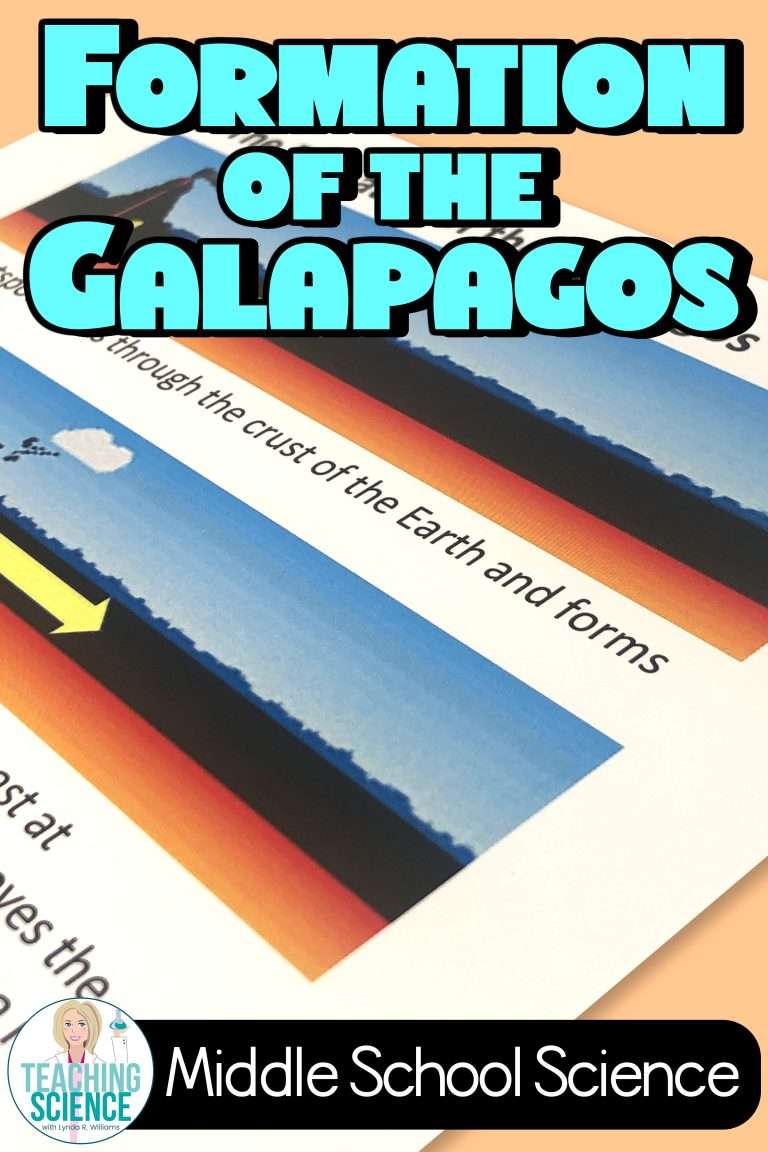
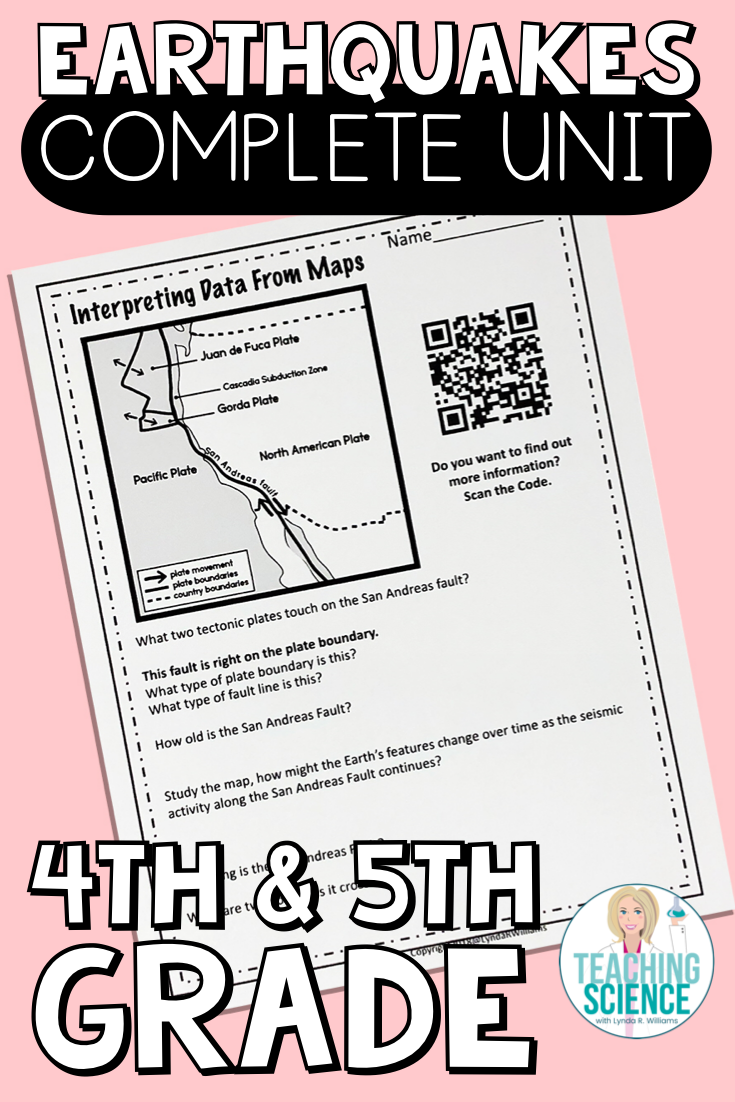
- Earthquakes occur more frequently in some locations.
- Rock layers contain different fossils.
- A coastline changes after a major storm.
- Some areas receive more damage from flooding than others.
- We can see fewer stars from a city than from a rural area.
- Temperatures in a city may be warmer than in nearby rural areas.
Physical Science Phenomena
- A metal spoon feels colder than a wooden spoon in the same room.
- A balloon sticks to a wall after being rubbed on fabric.
- A cart accelerates more when a greater force is applied.
- A sound becomes quieter as the listener moves farther away.
- Some objects float while others sink.
- Sugar dissolves faster in warm water than in cold water.
- A sealed can collapses after being heated and cooled.
- Two objects push on each other during a collision.
Engineering Phenomena and Problems
Engineering instruction often begins with a meaningful problem connected to an observable situation.
Examples include:
- A playground surface becomes dangerously hot in sunlight.
- Rainwater collects near a school entrance.
- A container does not keep an ice cube cold long enough.
- A bridge model bends under a load.
- Soil washes away from a school garden.
- A classroom is too noisy for students to hear clearly.
Students can use scientific explanations of the phenomenon to design, test, and improve solutions.
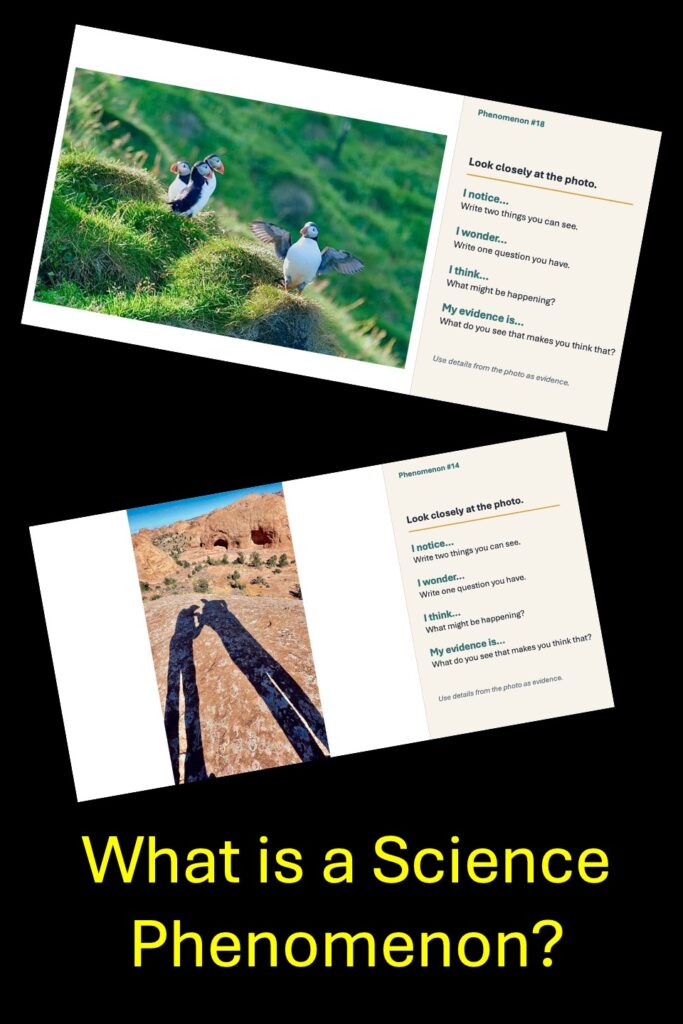
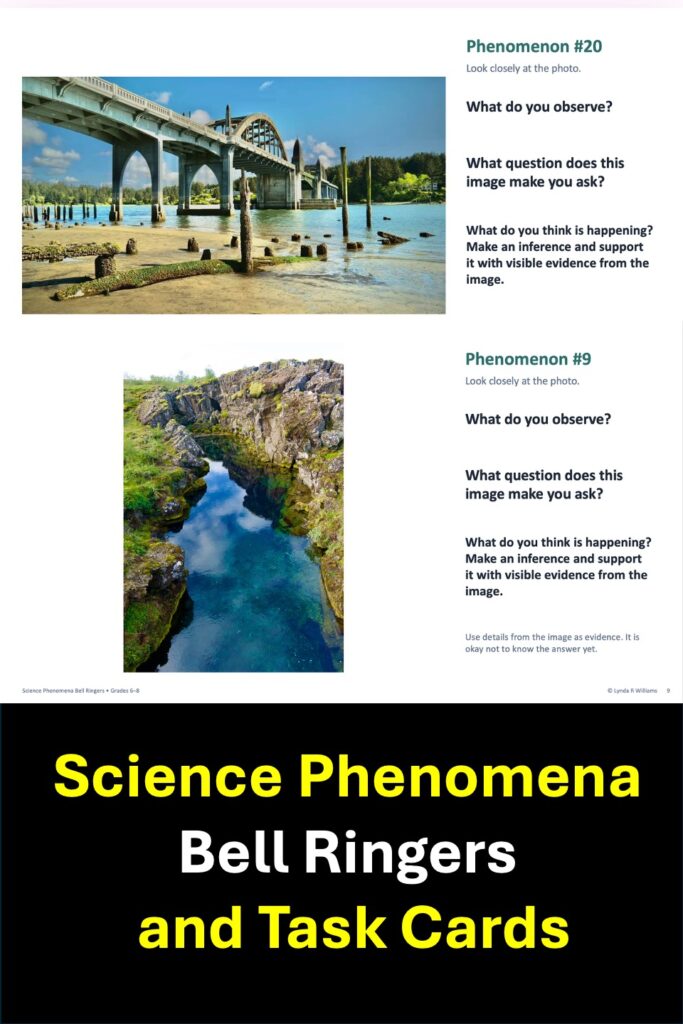
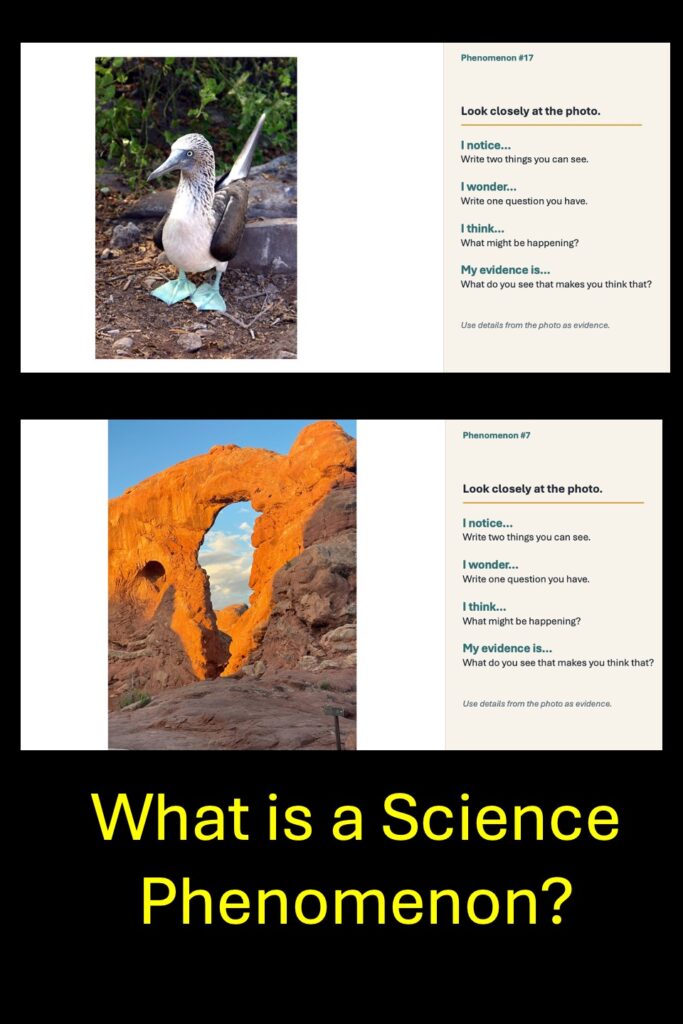
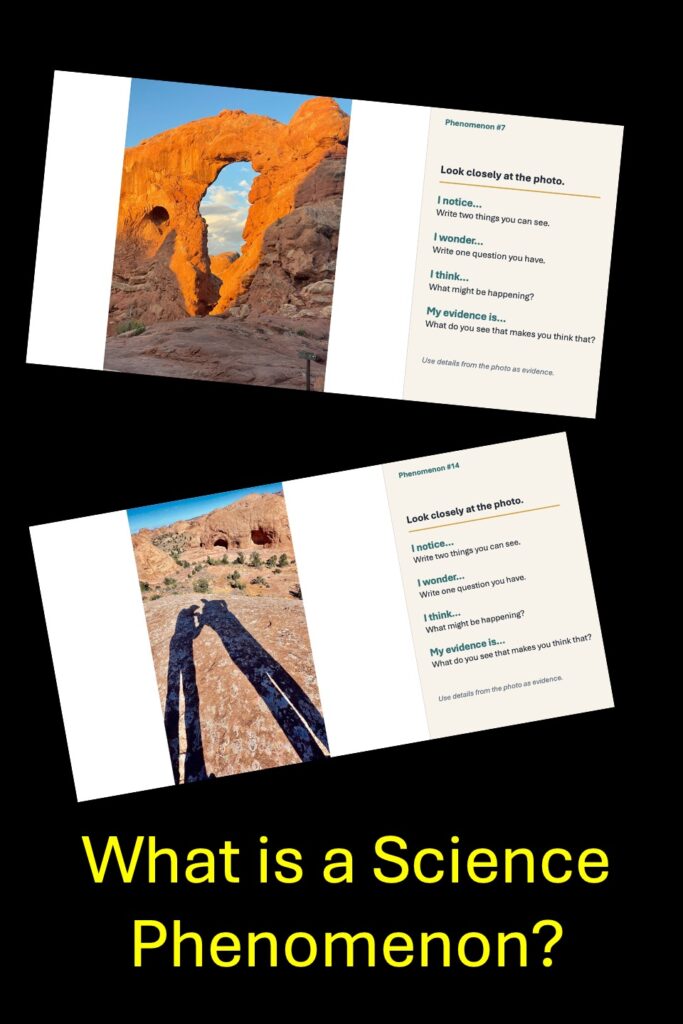
Can a Photograph Be Used as a Science Phenomenon?
Yes. A photograph can introduce a phenomenon when it clearly documents an observable event and gives students something meaningful to explain.
Useful photographs might show:
- A cracked road after an earthquake
- A plant growing through a small opening
- Erosion near a stream
- Different amounts of snow on two sides of a mountain
- An animal with a specialized structure
- A rusted metal object
- A dried lakebed
- A strangely shaped rock formation
However, the photograph itself is not enough.
Teachers should use the image to prompt observation, questioning, evidence gathering, and explanation.
A photograph becomes instructionally useful when students ask questions such as:
- What do you notice?
- What might have caused this?
- What evidence do we need?
- What patterns can we identify?
- Which science ideas could help explain it?
Can a Graph or Data Set Be a Phenomenon?
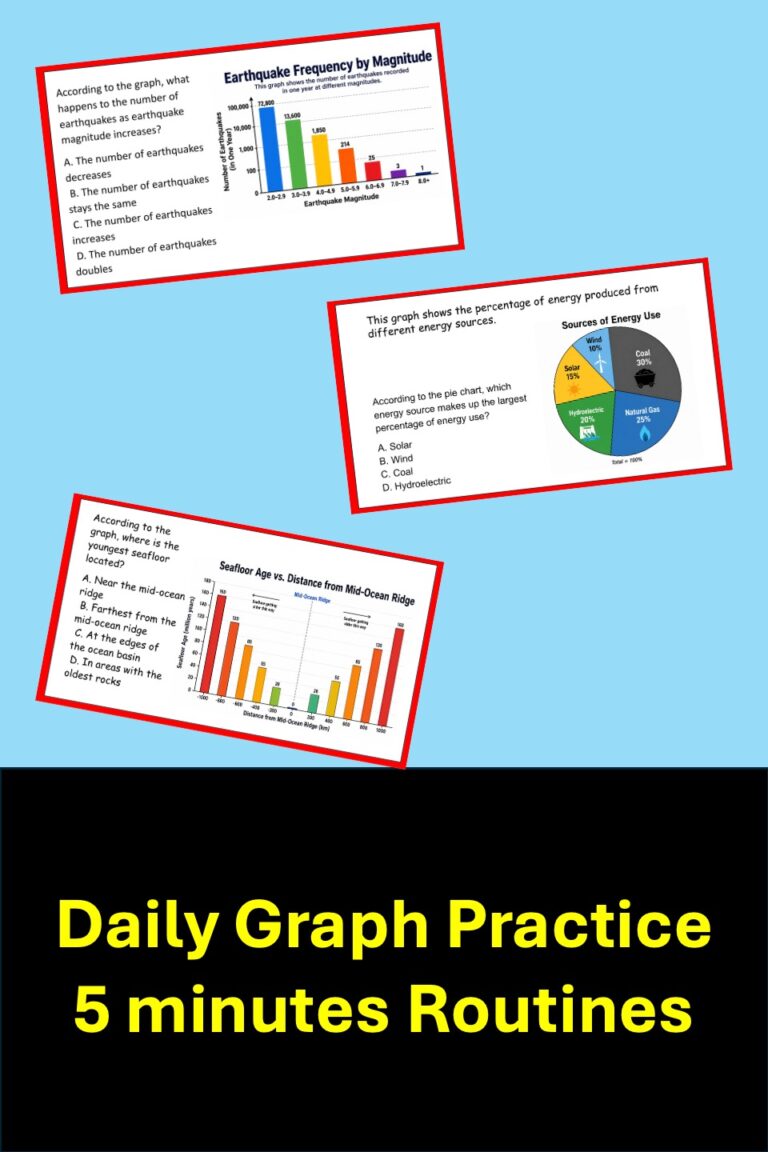
A graph can document a phenomenon by making an observable pattern visible.
For example, students might examine:
- Predator and prey populations changing over time
- Global temperatures increasing across decades
- Photosynthesis rates leveling off at higher light intensities
- Earthquake frequency decreasing as magnitude increases
- A sound becoming quieter as distance increases
- Plant growth changing with different amounts of water
The graph displays something that happened or was measured. Students can then ask why the pattern occurred and use scientific ideas to explain it.
This is especially valuable because students practice data analysis and phenomenon-based reasoning at the same time.
[Add link to graph-analysis resources]
How Do You Introduce a Science Phenomenon?
Begin by allowing students to observe before giving them scientific explanations.
A simple introduction can follow this sequence:
1. Present the Phenomenon
Use a demonstration, photograph, video, graph, object, observation, or data set.
Avoid explaining it immediately.
2. Ask Students What They Notice
Encourage objective observations.
Possible prompts include:
- What do you see?
- What changed?
- What patterns do you notice?
- What seems unusual?
- What information is missing?
3. Ask Students What They Wonder
Record student questions without evaluating every question immediately.
Students might ask:
- Why did this happen?
- What caused the difference?
- Would this happen somewhere else?
- What would happen if one variable changed?
- How could we test this?
4. Elicit Initial Explanations
Ask students to explain what they currently think.
These explanations are not expected to be complete or correct. Their purpose is to reveal prior knowledge and give students a starting point.
5. Identify What Students Need to Figure Out
Organize questions into categories and select those that lead toward the learning goals.
Teachers may need to help students revise broad or grade-inappropriate questions into questions that can guide useful investigation.
What Should Teachers Do After Students Observe a Phenomenon?
The most important work happens after the initial observation.
A phenomenon should lead to a sequence of sensemaking experiences.
Students might:
- Conduct an investigation
- Analyze a graph
- Compare data
- Read an informational text
- Examine a model
- Develop a diagram
- Discuss competing explanations
- Use mathematics
- Collect observations
- Write a CER response
- Revise an initial model
Return to the original phenomenon regularly.
Ask:
- What can we explain now?
- Which questions have we answered?
- What evidence supports our explanation?
- What parts are still unclear?
- How has our model changed?
- What new questions do we have?
Returning to the phenomenon helps students see that their understanding is developing over time.
How Do Student Questions Drive Phenomenon-Based Learning?
Student questions help create the path for instruction.
The teacher does not need to follow every question exactly as it was asked. Some questions may be too broad, too advanced, or unrelated to the intended learning goals.
The teacher’s role is to:
- Honor students’ curiosity
- Identify productive questions
- Group related questions
- Connect questions to standards
- Help students revise questions
- Plan investigations that address those questions
- Keep the class focused on explaining the phenomenon
This balance preserves student agency while maintaining a coherent instructional sequence.
How Do Phenomena Support Three-Dimensional Learning?
The NGSS describes three dimensions of science learning:
- Science and Engineering Practices
- Disciplinary Core Ideas
- Crosscutting Concepts
Phenomena create a reason for students to use all three dimensions together.
For example, students investigating why a plant bends toward a window might:
- Ask questions and develop models as science and engineering practices.
- Apply ideas about plant needs, growth, and energy as disciplinary core ideas.
- Examine patterns, cause and effect, and systems as crosscutting concepts.
Students are not completing the practice separately from the content. They use the practice and crosscutting concept to make sense of the scientific event.
How Can Phenomena Support CER Writing?
Phenomena give students a meaningful question to answer with evidence.
After investigating a phenomenon, students can write a Claim, Evidence, and Reasoning response.
For example:
Phenomenon: One plant bends toward a window.
Question: How does the direction of light affect plant growth?
Claim: The direction of light influences the direction in which the plant grows.
Evidence: In the investigation, the stems grew toward the opening where light entered the box.
Reasoning: Plants respond to light because light provides energy for photosynthesis. Growth toward the light increases access to that energy source.
The phenomenon creates the question. The investigation provides the evidence. The CER response allows students to communicate the explanation.
[Add link to CER resources]
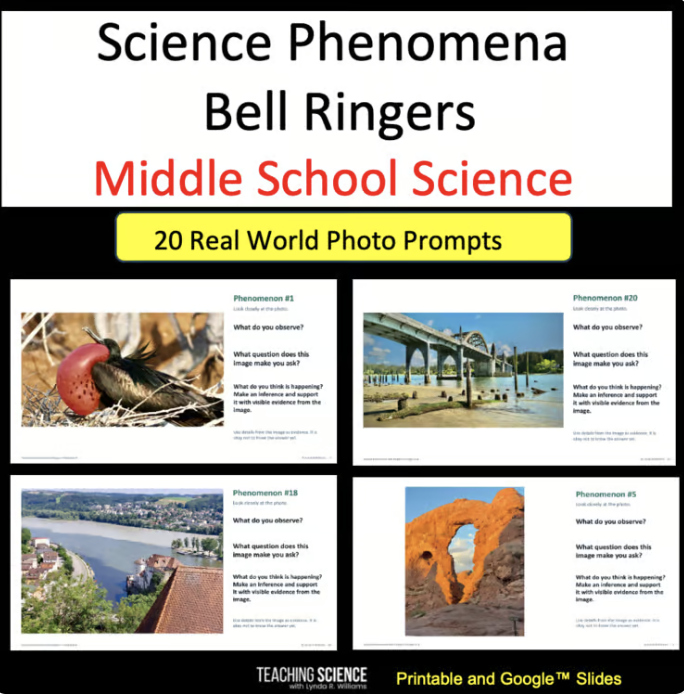
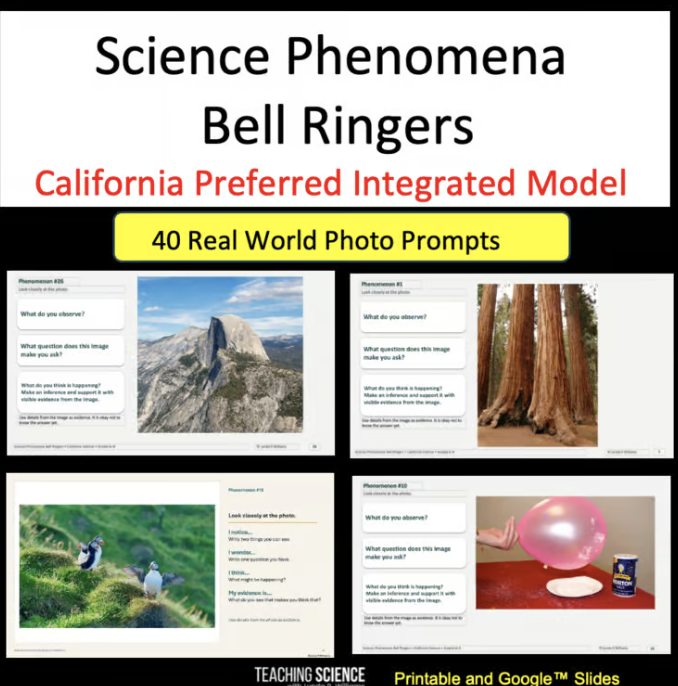
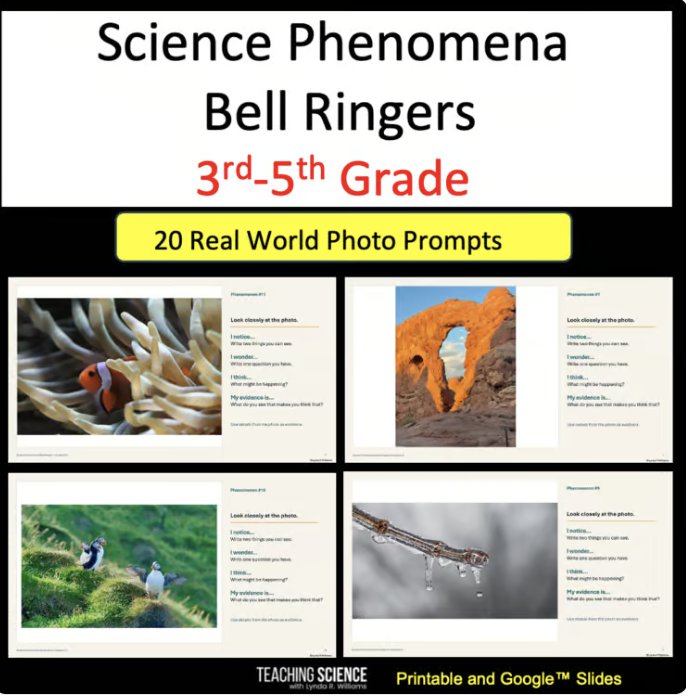
How Can Phenomena Be Used as Bell Ringers?
Not every phenomenon needs to anchor a full unit.
Short, lesson-level phenomena can be used as bell ringers to help students practice observation, questioning, and reasoning.
A phenomenon bell ringer might include:
- A photograph
- A brief observation
- A simple graph
- A short data table
- A puzzling statement
- A quick demonstration
Students might respond to three questions:
- What do you notice?
- What do you wonder?
- What science idea might help explain this?
This routine can build curiosity and scientific thinking in only a few minutes.
Phenomena bell ringers can also serve as:
- Lesson introductions
- Formative assessments
- Discussion prompts
- CER starters
- Review activities
- Early-finisher tasks
- Connections to prior learning
[Add link to phenomena bell ringers]
Common Mistakes When Teaching With Phenomena
Treating the Phenomenon as a Hook
A teacher may show an exciting event and then move directly into unrelated notes or vocabulary.
Instead, return to the phenomenon throughout the learning sequence.
Explaining It Too Soon
Students lose the opportunity to investigate when the teacher immediately provides the scientific explanation.
Allow students to develop and revise their thinking.
Choosing Something Interesting but Unrelated
An event can be fascinating without supporting the intended learning goals.
Choose phenomena that lead directly toward the standards.
Confusing a Topic With a Phenomenon
“Ecosystems” is a topic.
“A sea otter population increases while a sea urchin population decreases” is an observable pattern students can explain.
Requiring the Phenomenon to Be Flashy
Everyday events can generate deep questions when students are asked to examine them carefully.
Ignoring Student Backgrounds
A phenomenon familiar to one group of students may be unfamiliar to another.
Provide shared observations, images, videos, or local examples when needed.
Asking Questions Without Investigating Them
A notice-and-wonder activity is only the beginning.
Students need opportunities to collect evidence and build explanations.
A Simple Phenomenon-Based Lesson Structure
| Lesson Stage | Teacher Action | Student Action |
|---|---|---|
| Observe | Present an event, image, video, graph, or demonstration | Record observations |
| Question | Invite students to share what they wonder | Generate scientific questions |
| Explain Initially | Ask for initial ideas without correcting everything | Share tentative explanations |
| Investigate | Provide investigations, data, models, or readings | Gather and analyze evidence |
| Make Sense | Facilitate discussion and comparison of ideas | Identify patterns and connect concepts |
| Explain | Ask students to construct an evidence-based explanation | Write, discuss, or model an explanation |
| Revisit | Return to the original event | Revise explanations and identify new questions |
This structure can be used for a single lesson or expanded across an entire unit.
How Do You Choose a Phenomenon for Your Science Lesson?
Before using a phenomenon, ask:
- Is it observable?
- Does it connect to the standards?
- Can students begin thinking about it with their current knowledge?
- Will they need new evidence to explain it?
- Is it appropriate for the grade level?
- Is it relevant to students or their communities?
- Can students investigate it directly or indirectly?
- Does it support science and engineering practices?
- Can students use a crosscutting concept to make sense of it?
- Will it lead to an evidence-based explanation?
A phenomenon does not need to meet every possible criterion perfectly. It does need to move students toward meaningful scientific sensemaking.
Final Thoughts
A science phenomenon is not simply a fun demonstration, an unusual picture, or a question written on the board.
It is an observable event that students use scientific ideas and evidence to explain.
Effective phenomenon-based teaching begins with observation and curiosity, but it does not end there. Students ask questions, investigate, analyze evidence, develop models, discuss ideas, and revise their explanations.
The phenomenon gives the learning a purpose.
Instead of asking, “What facts do students need to memorize?” the teacher begins with a more meaningful question:
What are students trying to figure out?
That shift can make science instruction more coherent, engaging, and connected to the way scientists understand the world.
Frequently Asked Questions About Science Phenomena
What is a science phenomenon?
A science phenomenon is an observable event in the natural or designed world that can be explained or predicted using scientific knowledge.
What is an example of a phenomenon in science?
Water droplets forming on the outside of a cold glass are a science phenomenon. Students can investigate temperature, water vapor, and condensation to explain the event.
Is a science phenomenon the same as an experiment?
No. A phenomenon is the event students are trying to explain. An experiment is one method students may use to gather evidence about that event.
Does a phenomenon need to be surprising?
No. Everyday events can be effective phenomena when students cannot fully explain how or why they occur.
What is the difference between an anchoring phenomenon and a lesson-level phenomenon?
An anchoring phenomenon organizes an entire unit and requires several scientific ideas to explain. A lesson-level phenomenon focuses on one smaller part of the larger explanation.
Can a photograph or video be a phenomenon?
A photograph or video can document a phenomenon. It becomes instructionally useful when students observe it, ask questions, gather evidence, and develop an explanation.
You might also like this blog post on Science Phenomena
Can a graph be used as a phenomenon?
Yes. A graph can reveal an observable pattern, such as changing populations or temperature trends, that students can investigate and explain.
How are phenomena connected to the NGSS?
Phenomena provide a context for students to use science and engineering practices, disciplinary core ideas, and crosscutting concepts together to make sense of the natural and designed world.
About the Author
Lynda R. Williams is an experienced science educator, curriculum writer, and former university science-methods instructor. She creates practical science resources for grades 5 through 8 that help teachers use phenomena, data analysis, scientific reasoning, and evidence-based writing in meaningful classroom instruction.